Famous landmarks in Egypt have captivated travelers for centuries. The allure of these ancient wonders lies in their scale, their mysteries, and the enduring legacy of the civilization that built them. From the colossal pyramids that pierce the desert sky to enigmatic temples adorned with hieroglyphs, Egypt’s rich history seeps through these architectural marvels. They offer a journey through time, inviting you to walk in the footsteps of pharaohs, marvel at the ingenuity of ancient engineers, and lose yourself in the vibrant tapestry of Egyptian culture. Prepare to be amazed as you embark on a discovery of the most iconic landmarks Egypt has to offer.
Pyramids of Giza – Timeless Wonders
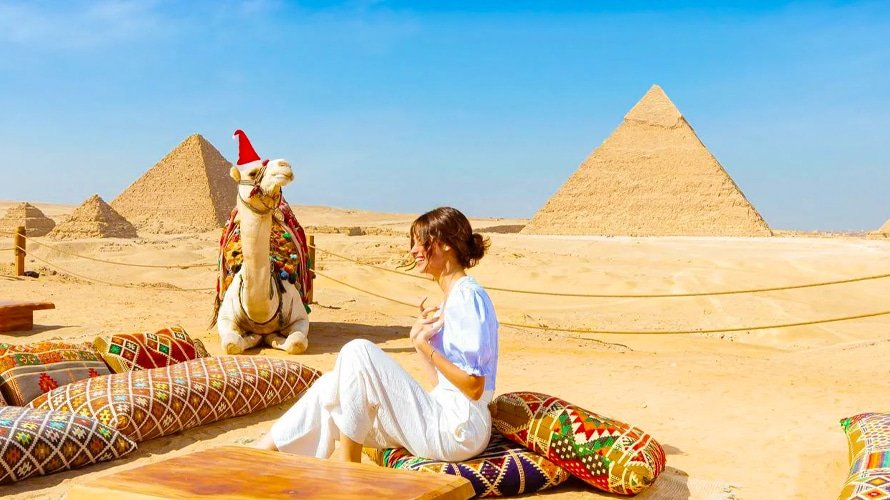
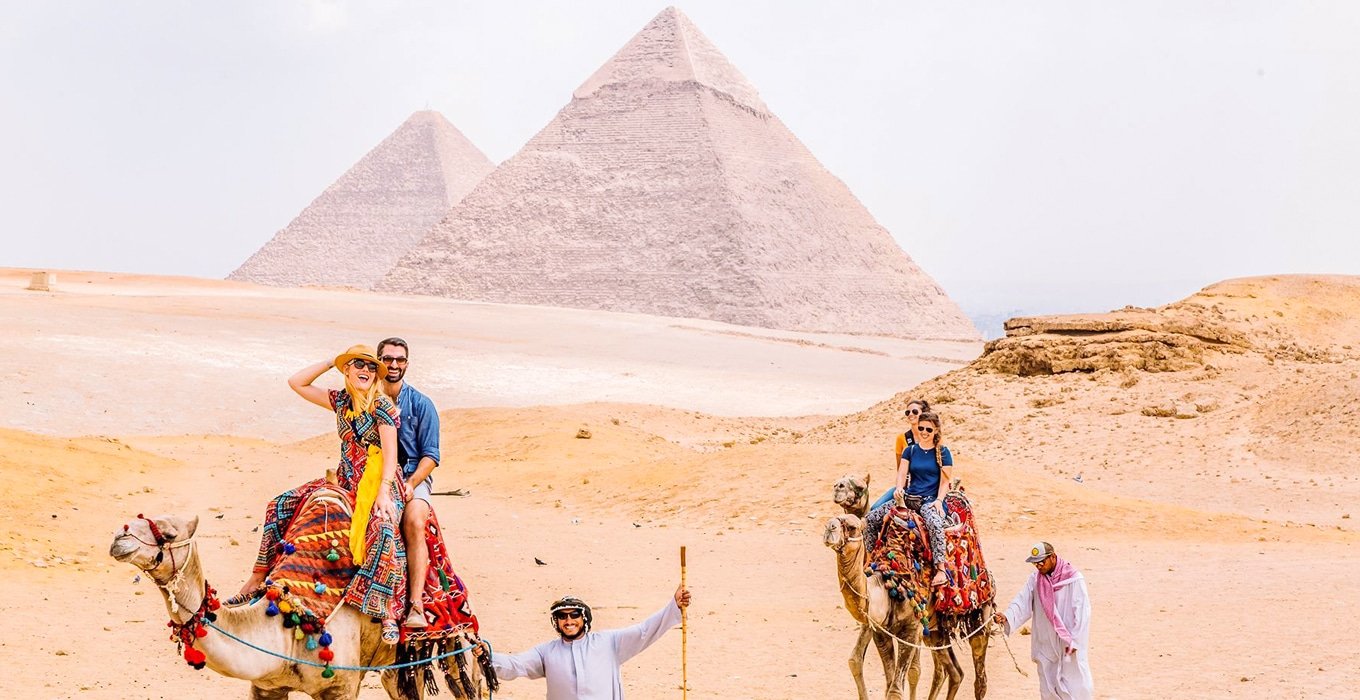
The Pyramids of Giza are synonymous with Egypt itself. These monumental tombs of pharaohs stand as testaments to the power and ambition of the ancient Egyptian civilization. The Great Pyramid of Giza, built for Pharaoh Khufu (Cheops), reigns supreme. It held the title of the world’s tallest man-made structure for over 3,800 years! Constructed around 2560 BC, its sheer size is astounding – made up of over 2.3 million stone blocks and rising to a height of 481 feet. Its purpose was to serve as the pharaoh’s final resting place and a gateway to the afterlife.
Alongside the Great Pyramid stand its companions: the Pyramid of Khafre (Chephren), built for Khufu’s son, and the Pyramid of Menkaure (Mykerinos), built for his grandson. Though slightly smaller, they are equally impressive feats of engineering.
Tips for Visiting the Giza Plateau
- Arrive early: Beat the crowds and the midday heat by visiting early in the morning.
- Consider a guided tour: A knowledgeable guide can reveal fascinating details about the pyramids’ history and construction.
- Go inside the pyramids (optional): Entering a pyramid is an unforgettable experience, but the spaces can be tight and the air stuffy.
- Don’t miss the Solar Boat Museum: See the reconstructed funerary boat found near the Great Pyramid.
- Enjoy a camel or horse ride: A classic way to take in the desert landscape around the pyramids.
- Stay for the Sound and Light Show: Watch the pyramids come alive with colorful lights and a narrated history.
The Mighty Sphinx
Guarding the Giza Plateau stands the mythical Sphinx, a colossal limestone statue with the body of a lion and the head of a human. This enigmatic creature embodies power and wisdom in ancient Egyptian mythology, often associated with the pharaoh as a symbol of royal strength. The face of the Sphinx is believed to represent Pharaoh Khafre, who ruled around 2500 BC, suggesting the statue’s construction during his reign.
Centuries of relentless desert sands have weathered the Sphinx, and mysteries still surround its true purpose and origins. Some theories suggest it served as a guardian for the pyramids, while others see it as a representation of the sun god, Ra-Horakhty.
Opportunities for Photos and Camel Rides
The Sphinx offers endless photo opportunities. Get classic shots from the front, or venture around for unique angles featuring the pyramids in the backdrop. Camel rides are a popular way to experience the area, providing a Bedouin-like perspective. However, be aware of persistent vendors and negotiate prices beforehand.
Important Note: While the Sphinx is an incredible monument, please remember to treat it with respect. Climbing on the statue is strictly prohibited to ensure its preservation for future generations.
Egyptian Museum – A Treasure Trove of Antiquities
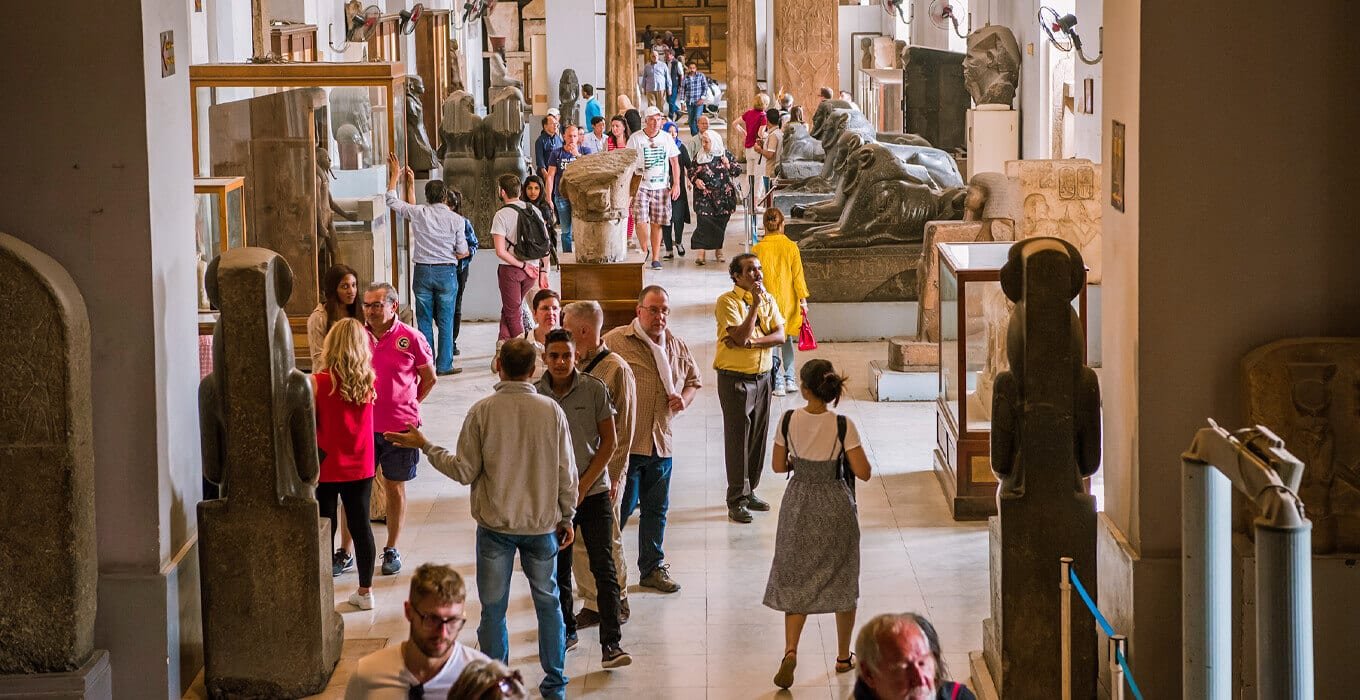
Cairo’s Egyptian Museum is a must-visit for anyone fascinated by this ancient land. It houses the world’s most extensive collection of Pharaonic antiquities, offering a dazzling journey from the Old Kingdom to the Greco-Roman period. Here, you’ll witness over 120,000 artifacts that bring the stories and artistry of ancient Egypt vividly to life.
Collection Highlights
- Royal Mummies Room: Come face-to-face with the preserved remains of powerful pharaohs like Ramses II and Hatshepsut, a truly humbling experience. (Note: This room may have an additional entrance fee.)
- Colossal Statues: Rooms filled with monumental statues of pharaohs and gods showcase the masterful stonework of ancient Egyptian sculptors.
- Everyday Objects: Discover pottery, tools, papyri, and even mummified animals that reveal the richness of daily life thousands of years ago.
Location and Significance
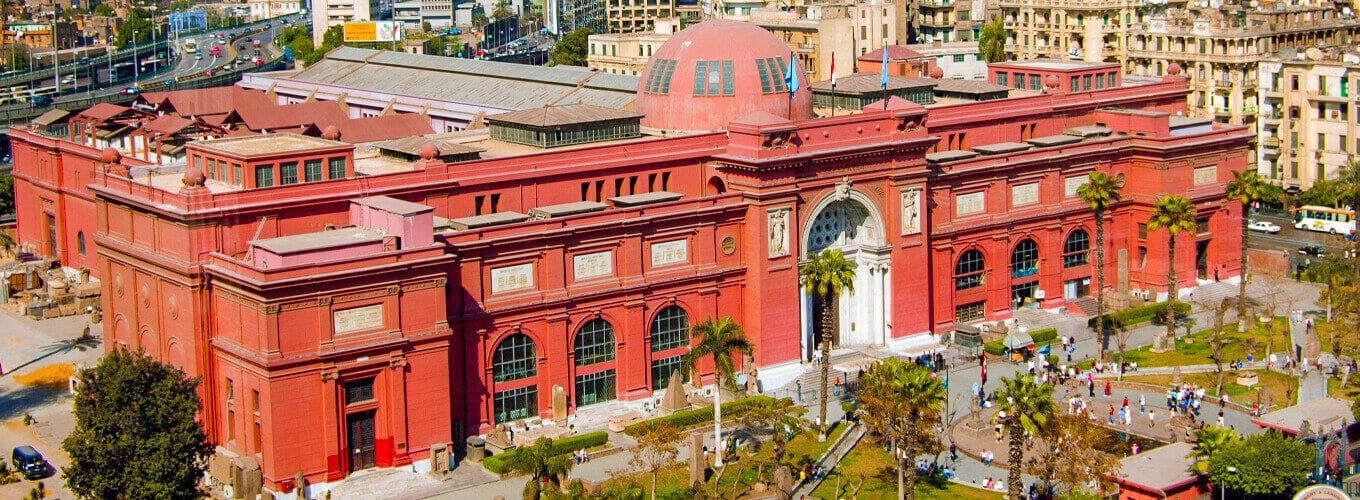
The Egyptian Museum sits proudly in the heart of Cairo, on Tahrir Square. Its distinctive pink building is a landmark in itself. More than a collection of artifacts, the museum stands as a testament to Egypt’s profound history and a window into understanding one of the world’s greatest civilizations.
Karnak Temple Complex – A City of Temples
Located in Luxor, the Karnak Temple Complex is much more than a solitary temple. It’s a vast open-air museum, a testament to centuries of religious devotion and pharaonic ambition. Prepare to be overwhelmed by the sheer scale of this complex, considered one of the largest religious structures ever built.
Key Structures
- The Great Hypostyle Hall: This awe-inspiring hall is a forest of 134 massive columns, some reaching 80 feet high. Its grandeur evokes the otherworldly power of the gods.
- Obelisks: These towering granite monoliths pierce the sky and were symbols of the sun god Ra. The tallest still-standing obelisk belongs to Queen Hatshepsut.
- Sacred Lake: This large and serene lake served a crucial role in ancient rituals and purification ceremonies.
Religious Significance
Karnak was predominantly dedicated to the Theban Triad: the god Amun-Re, his consort Mut, and their son Khonsu. However, over centuries, numerous pharaohs left their mark on Karnak, expanding it with chapels, pylons (monumental gateways), and shrines dedicated to a wide array of deities. Walking through this complex is a journey through the evolution of Egyptian religion itself.
Tips for Visiting
- Take your time: Karnak is immense; dedicate ample time to wander and fully appreciate its many wonders.
- Consider a guide or audio tour: The hieroglyphs and history can be overwhelming, so a guide can provide invaluable context.
- Visit in early morning or late afternoon: Avoid the midday heat and harshest crowds.
- Explore beyond the main areas: Venture into less-crowded sections of the complex to discover additional details and hidden gems.
Abu Simbel – Temples Carved from Mountains
Deep in southern Egypt, near the border with Sudan, lie the awe-inspiring temples of Abu Simbel. Ramses II, one of Egypt’s most prolific pharaohs, had these colossal rock-cut temples built, demonstrating his unmatched power and devotion to the gods. The most iconic, the Great Temple, features four monumental seated statues of Ramses II himself guarding its entrance.

UNESCO World Heritage Site
Abu Simbel’s profound historical and artistic value has earned it the coveted designation as a UNESCO World Heritage Site. The temples stand as a testament to ancient Egyptian engineering and serve as a reminder of the timeless power of human creativity.
The Remarkable Relocation Story
Abu Simbel’s original location was threatened by the construction of the Aswan High Dam in the 1960s. In an unprecedented feat of international cooperation, UNESCO launched a massive campaign to rescue the temples. They were meticulously cut into blocks, moved to higher ground, and reassembled in their current position, preserving them from the rising waters of Lake Nasser.
What to See at Abu Simbel
- The Great Temple facade: The four colossal statues of Ramses II are truly awe-inspiring. Notice the smaller figures of his family members at his feet.
- The Temple Interiors: Intricate carvings and reliefs depicting Ramses II’s victories and scenes from mythology adorn the inner chambers.
- The Temple of Hathor and Nefertari: This smaller temple is dedicated to Ramses II’s beloved wife, Queen Nefertari, and the goddess Hathor.
Tips for Visiting
- Most tours start from Aswan: Abu Simbel is isolated, so most people visit as part of a guided tour departing from Aswan.
- Overnight Stays: It’s possible to stay overnight near the temples for a unique experience, including attending the Sound and Light Show.
- Limited accessibility: The temples have stairs and narrow passages, so be aware if you have mobility issues.
Valley of the Kings – Tombs of Pharaohs
Hidden amidst the arid hills on the west bank of the Nile in Luxor lies the Valley of the Kings, the final resting place of Egypt’s most celebrated New Kingdom pharaohs. For centuries, this secluded valley served as a royal necropolis, where pharaohs were laid to rest with the treasures and rituals they believed necessary for their journey to the afterlife.
Discovery of Tutankhamun’s Tomb
The Valley of the Kings gained worldwide fame in 1922 when Howard Carter discovered the nearly intact tomb of Tutankhamun. This sensational find filled with golden treasures ignited global fascination with ancient Egypt and remains one of the most significant archaeological discoveries of all time.
Visiting the Tombs
- Ticket Options: Your entrance ticket typically includes access to three open tombs (excluding Tutankhamun and a few others, which require separate tickets).
- What to Expect Inside: Descend into the richly decorated burial chambers adorned with vibrant paintings and hieroglyphs. Many tombs have long corridors and multiple rooms, offering glimpses into the pharaoh’s journey to the underworld.
- Preservation: To protect the fragile artwork, tombs are opened on rotation, and photography is usually not permitted inside.
- Be Prepared: Tomb interiors can be hot, dimly lit, and have uneven surfaces.

Tips
- Research beforehand: Choose the tombs most interesting to you based on their decoration and historical significance.
- Go early: Avoid the midday heat and crowds, especially during peak season.
- Take a flashlight: Some tomb details are difficult to see in the dim lighting.
- Respect the space: Remember, these are sacred burial sites.
The Valley of the Kings promises an unforgettable journey into the heart of ancient Egyptian beliefs and funerary practices. Are you ready to descend into these royal tombs?
Khan el-Khalili Bazaar – Vibrant Marketplace
Step back in time and immerse yourself in the bustling heart of Islamic Cairo at the Khan el-Khalili bazaar. This centuries-old marketplace is a maze of narrow alleyways overflowing with treasures, where the enticing aromas of spices mingle with the calls of vendors and the clang of metalworkers.
Khan el-Khalili is a feast for the senses:
- Sights: Dazzling displays of colorful lanterns, intricately woven carpets, gleaming gold and silver jewelry, hand-blown glass, and piles of exotic fabrics.
- Sounds: The lively hum of bargaining, the rhythmic hammering of artisans, and the calls to prayer from nearby mosques.
- Smells: Enticing aromas of spices, perfumes, shisha (waterpipe) smoke, and freshly brewed Arabic coffee.
Bargaining Tips
- Embrace the haggle: Bargaining is expected! Start by offering half the initial asking price, and work your way up.
- Be friendly and respectful: A smile and a few Arabic phrases go a long way.
- Know when to walk away: Don’t feel pressured to buy if the price isn’t right.
- Shop around: Compare prices at several shops before making a decision.
What Souvenirs to Buy
- Spices: Stock up on fragrant Egyptian spice blends and teas.
- Handicrafts: Look for handmade items like copperware, inlaid boxes, and leather goods.
- Jewelry: Explore the vast selection of gold and silver pieces.
- Lanterns: Add a touch of Arabian Nights to your home with a decorative lantern.
- Papyrus: Buy authentic hand-painted papyrus for a unique souvenir.
Beyond Shopping
Khan el-Khalili isn’t just about shopping. Take time to soak in the atmosphere. Stop for mint tea at a traditional café, marvel at the architecture of the surrounding mosques, and simply people-watch in this dynamic hub of Cairene life.
Additional Famous Landmarks
While Egypt boasts countless marvels, these landmarks deserve recognition even in a shorter format:
- Temple of Luxor: Located right in the heart of Luxor, this grand temple along the Nile River showcases impressive obelisks, colonnades, and striking pharaonic statues. It’s connected to Karnak via a sphinx-lined avenue.
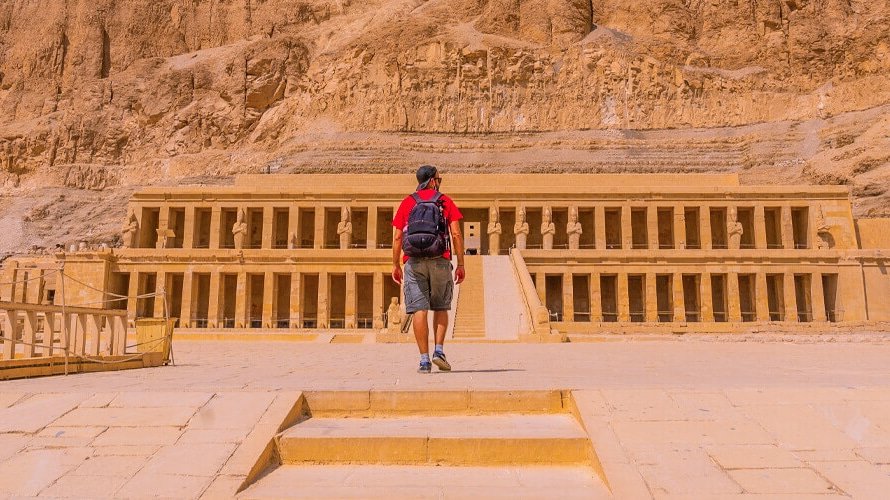
- Mortuary Temple of Hatshepsut: This unique colonnaded temple, nestled against dramatic cliffs in Deir el-Bahari, honors one of Egypt’s few female pharaohs. Its architecture blends harmoniously with the desert landscape.
- The Citadel of Cairo: This imposing medieval Islamic fortress overlooks Cairo and houses mosques, palaces, and museums. It offers stunning panoramic views of the city below and a glimpse into Egypt’s rich Islamic heritage.
- White Desert: A natural wonder unlike any other! Wind-sculpted chalk formations resembling mushrooms, animals, and otherworldly figures create a surreal landscape in Egypt’s Western Desert.

Note: These are just a few examples. Egypt brims with fascinating landmarks waiting to be explored!
FAQs About Egyptian Landmarks
What is the best time of year to visit Egypt’s landmarks?
The ideal time to visit Egypt’s landmarks is during the shoulder seasons of spring (March-May) or fall (September-November). Temperatures are more pleasant during these months, with cooler days and comfortable nights. The winter months (December-February) are the peak tourist season and can be more crowded and expensive, while summer (June-August) is extremely hot, especially in southern Egypt.
Do I need a guide to explore Egypt’s landmarks?
While it’s possible to explore some landmarks independently, a guide can vastly enrich your experience. Here’s why:
- Expert Knowledge: Guides provide in-depth historical context, deciphering hieroglyphics and bringing the stories of ancient Egypt to life.
- Navigation: They help you navigate complex sites like Karnak or the Valley of the Kings, ensuring you see the highlights.
- Hassle-free Experience: Guides handle logistics like transportation, tickets, and language barriers, allowing you to relax and enjoy.
- Local Insights: They offer recommendations for lesser-known spots, authentic food experiences, and cultural etiquette tips.
- If you prefer independent exploration: Thorough research beforehand is key. Consider guidebooks, audio tours, or hiring a guide just for specific sites where their expertise would be most valuable.
Is it safe to travel to Egypt?
Safety is a valid concern for any traveler. Egypt has had periods of political instability, and it’s essential to stay informed about the current situation. Here’s what you should do:
- Check Travel Advisories: Consult your government’s travel advisories for up-to-date information on Egypt
- Reputable Tour Operators: If booking a tour, choose well-established companies with good safety records.
- Exercise Caution: Stay in tourist areas, avoid large demonstrations, and be aware of your surroundings, as you would in any unfamiliar place.
What are some insider tips for visiting Egypt’s landmarks?
- Dress Appropriately: Wear modest clothing that covers shoulders and knees, especially when visiting religious sites.
- Respect Local Customs: Learn basic Arabic greetings, avoid public displays of affection, and ask permission before taking photos of people.
- Learn to Haggle: Bargaining is expected at markets. Stay friendly and don’t be afraid to walk away if you’re not satisfied with the price.
- Stay Hydrated: Carry water and wear sunscreen, especially in the summer heat.
Conclusion
Egypt’s landmarks are timeless testaments to human ingenuity and the enduring power of history. From the awe-inspiring pyramids and enigmatic temples to the bustling bazaars brimming with treasures, they offer an unparalleled journey through the cradle of civilization. The stories they hold, the mysteries they beckon, and the sheer spectacle they present ignite a sense of wonder that transcends time.
Don’t just dream about exploring Egypt’s iconic landmarks – turn those dreams into reality. Book your trip today and embark on an adventure that will leave you forever changed. Let the ancient sands whisper their secrets as you walk in the footsteps of pharaohs and lose yourself in the vibrant tapestry of Egyptian culture.
Related Article to Read: